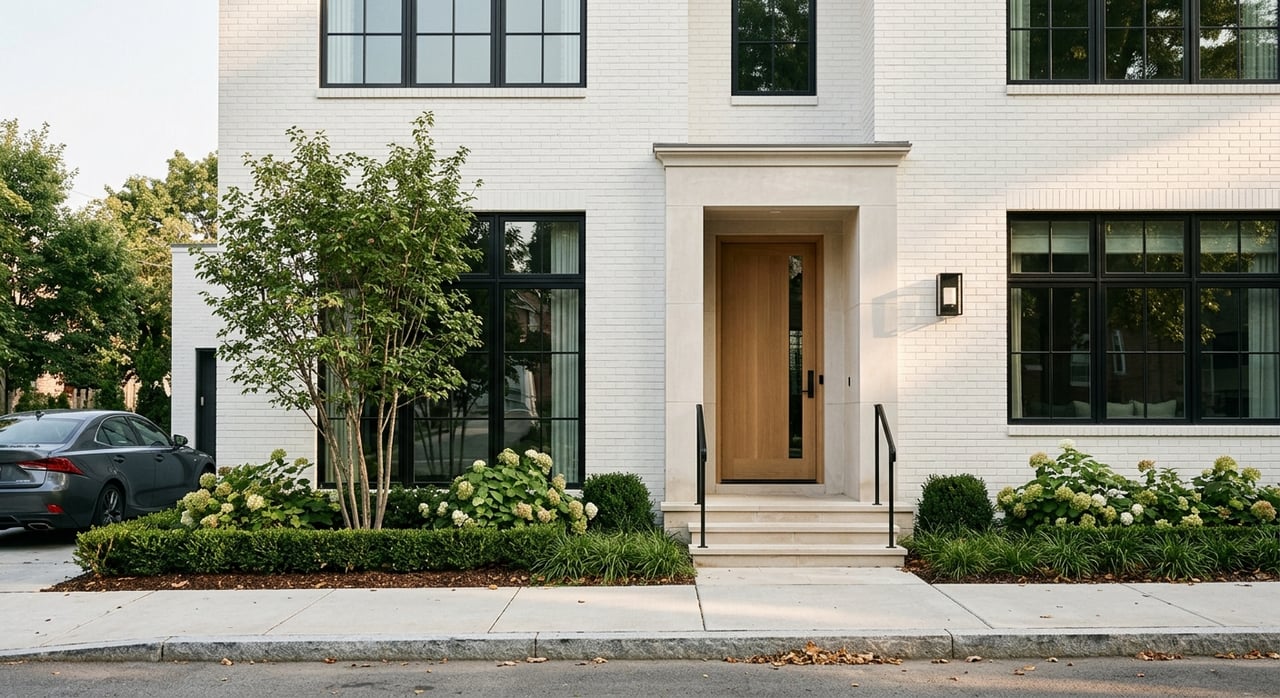
If you want a neighborhood that makes daily life feel easy without giving up character, Chevy Chase and Friendship Heights deserve a close look. This part of Montgomery County offers a rare mix of quiet residential streets, transit access, walkable errands, and a strong retail and dining core right on the D.C. line. Whether you are exploring a move or simply trying to understand how the area lives day to day, this guide will help you picture what everyday living really feels like here. Let’s dive in.
A Corridor With Two Distinct Rhythms
Chevy Chase and Friendship Heights are often mentioned together, but they do not feel exactly the same. On the Maryland side, Chevy Chase Village is a historic community of 720 homes on just under half a square mile, known for tree-lined streets, brick sidewalks, open parks, and walking-distance access to transit, shopping, restaurants, and theaters.
Friendship Heights feels more mixed-use and more urban. Montgomery County describes it as one of the county’s four downtowns, with more than 2 million square feet of office space, over 1.25 million square feet of retail, about 200 stores, and roughly 370 employers in the Montgomery County portion alone.
That contrast is part of the appeal. You can move from quieter residential blocks to a busier commercial corridor in just a few minutes, which gives the area a flexible, practical rhythm for daily life.
Getting Around Day to Day
For many residents, convenience starts with transportation. Friendship Heights is strongly transit-oriented, and Montgomery County says more than 17,000 people use Metrorail to and from the Friendship Heights station each day.
The station is well integrated into the neighborhood, with five entrances around Western and Wisconsin Avenues. In addition to Metro, the area is served by six Ride On routes and ten Metrobus routes, which helps support commuting, errands, and cross-border trips between Montgomery County and Northwest Washington.
Metro Access and Bus Options
If you prefer to live with fewer car trips, the Friendship Heights core is especially practical. The strongest walking and transit experience is around Wisconsin Avenue, the Metro station, and the surrounding shopping areas.
There is one current caveat to keep in mind. As of June 8, 2026, WMATA has announced a temporary Red Line closure between North Bethesda and Friendship Heights from July 6 to September 6, 2026, with shuttle buses replacing train service during that period.
Village Shuttle and Local Convenience
On the Maryland Village side, residents also have access to a free shuttle bus seven days a week. The Village of Friendship Heights shuttle connects every residential building in the Village to the community center, the Chevy Chase Center, Whole Foods, and the Metro stop.
On Wednesdays, Saturdays, and Sundays, the shuttle also serves Giant at Westwood Shopping Center. For residents who value simple, predictable local circulation, that can make everyday errands feel much easier.
Driving and Parking
Even with strong transit, the area still works well for drivers. Friendship Heights has more than 4,100 parking spaces, including garages along Wisconsin Avenue, Willard Avenue, Friendship Boulevard, and near the Metro-adjacent commercial centers.
On-street parking is also available on Wisconsin Avenue, Jenifer Street, Friendship Boulevard, and nearby side streets. In practical terms, that means you have options whether your routine leans toward Metro, bus, walking, or driving.
Errands Are Easy Here
One of the strongest lifestyle advantages in Chevy Chase and Friendship Heights is how much you can get done close to home. This is a neighborhood where groceries, household needs, gifts, dining, and professional services are all woven into daily life.
Friendship Heights includes a broad mix of retail, from destination names like Tiffany, Bloomingdale’s, and Saks Fifth Avenue to practical everyday stops such as Rodman’s, Whole Foods, Amazon Fresh, and Trader Joe’s. That range is useful because it supports both occasional shopping and routine weekly needs.
For many buyers, that errand efficiency matters as much as architecture or commute time. Being able to combine grocery shopping, a coffee stop, and a few household errands into one outing can change how a neighborhood feels on an ordinary weekday.
Dining That Fits Real Life
The dining scene also reflects the area’s dual personality. You will find established sit-down spots such as Clyde’s of Chevy Chase, The Capital Grille, Sushiko, Maggiano’s Little Italy, Lia’s, and Meiwah, along with quicker options like Booeymonger, Potbelly, Wonder, and coffee spots near Metro and shopping centers.
That mix gives you flexibility. Some days call for a full dinner out, while others are more about grabbing something quick on the way home.
In that sense, Friendship Heights is not only a retail destination. It also functions as a neighborhood center where daily routines can happen with less friction.
Walkability and Neighborhood Feel
A common question is whether the area feels walkable without a car. The short answer is yes, especially around Wisconsin Avenue, the Metro stop, and the shopping centers.
The walkability changes as you move through the corridor. Friendship Heights has the strongest urban walking environment, while the Chevy Chase side tends to feel quieter and more residential.
This changing streetscape is part of what makes the area appealing to different kinds of buyers. You can choose a home closer to the activity or one on a more tucked-away block while still staying connected to the same amenities.
Architecture Shapes Daily Experience
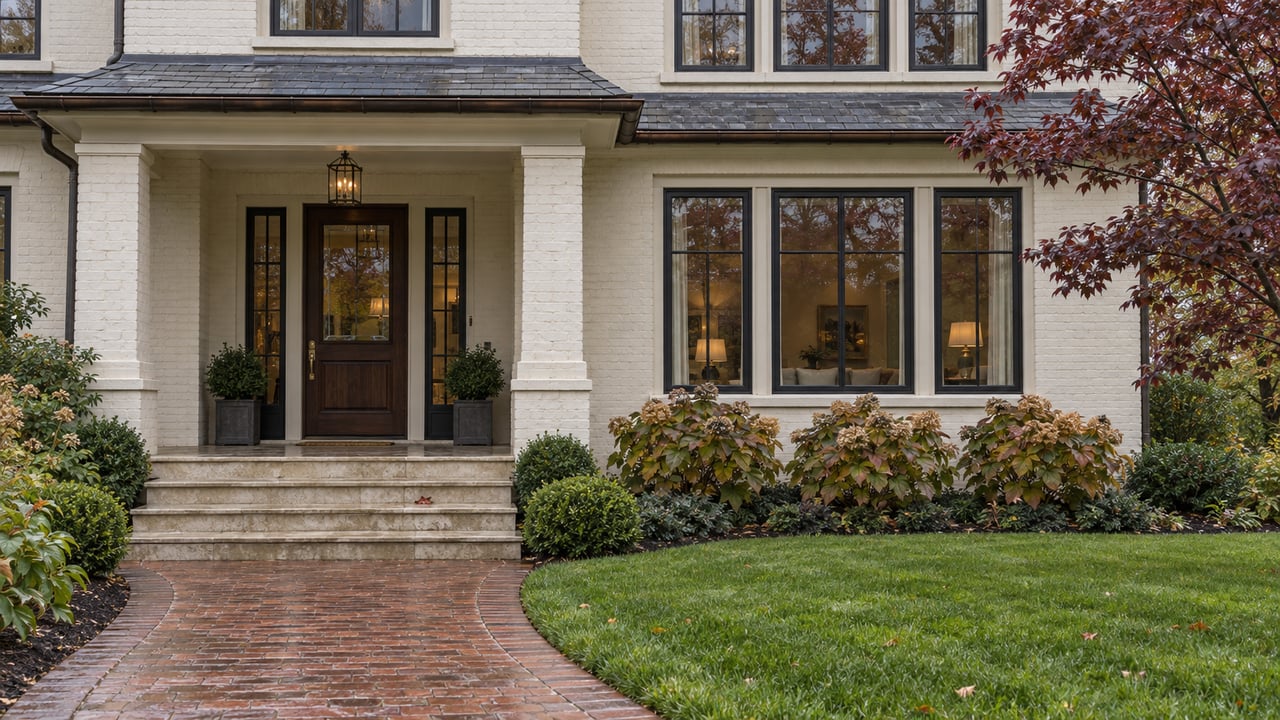
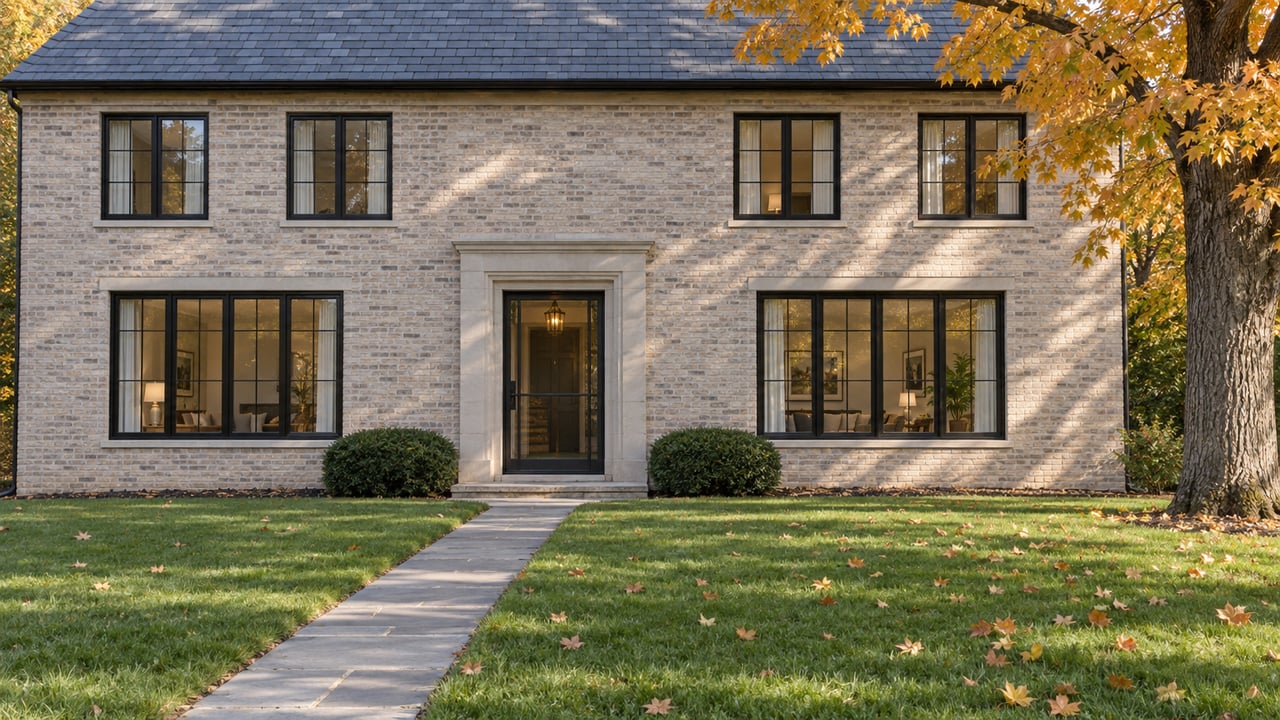
Chevy Chase has long been valued for its architectural depth. The Village history describes a planned home suburb with broad verandas, patterned shingles, half-timbering, sleeping porches, decorative cornices, pergolas, and varied rooflines.
The architectural styles include Shingle, Colonial Revival, Tudor, French Eclectic, Spanish Eclectic, Mission, Neoclassical, Italian Renaissance, Prairie, Art Deco, and Craftsman. That variety gives the residential streets a layered, established feel that many buyers find hard to replicate elsewhere.
Montgomery Planning also notes that Chevy Chase was designed as a model suburb. Along Connecticut Avenue and nearby side streets, traditional revival-style residences define much of the visual character, with the Mihran Mesrobian House standing out as a modernist exception.
From Historic Streets to Urban Core
As you move toward Friendship Heights, the built environment shifts. Montgomery Planning’s sector plan work recommends concentrating the tallest buildings at Wisconsin and Western Avenues, bringing buildings closer to the street, activating ground floors, and improving sidewalks, streetscapes, and pedestrian and bike connections.
In simple terms, the closer you get to the retail core, the more urban the setting feels. Nearby Chevy Chase blocks remain quieter and more residential, which creates a clear transition from historic neighborhood fabric to a denser mixed-use center.
Green Space Softens the Density
Even in a busy corridor, access to open space matters. The Village of Friendship Heights maintains three parks: Hubert Humphrey Park, Page Park, and Willoughby Park.
These spaces help balance the denser parts of the neighborhood. Montgomery Planning’s current work also calls for better connections between parks, sidewalks, and public spaces, which points to an ongoing effort to improve the everyday pedestrian experience.
For residents, that means the area is not only about buildings and commerce. It also includes places to pause, walk, and spend time outdoors close to home.
Why Buyers and Sellers Watch This Area Closely
From a real estate perspective, Chevy Chase and Friendship Heights offer a combination that is not easy to duplicate. You have historic housing character, a strong day-to-day amenity base, direct access to D.C., and a commercial core that continues to evolve.
Montgomery Planning now frames Friendship Heights as a district transitioning from a regional shopping destination toward a connected neighborhood center, with an emphasis on retail resilience, new housing, and public-realm improvements. That matters because it speaks to how the area is adapting for long-term livability, not only foot traffic.
For buyers, this can mean a wider range of lifestyle choices within one connected area. For sellers, it helps explain why the neighborhood continues to attract interest from people who want both convenience and a sense of place.
What Everyday Living Feels Like
At its core, everyday life here is about balance. You can enjoy the charm of established residential streets, the convenience of nearby groceries and dining, multiple ways to get around, and a location that feels closely tied to both Montgomery County and Northwest Washington.
That balance is why this corridor remains so relevant. It offers a practical way to live well day to day while still holding onto the architectural character and neighborhood identity that make people want to stay.
If you are considering a move in Chevy Chase or Friendship Heights, working with an advisor who understands the nuances between blocks, building types, and buyer priorities can make all the difference. To explore your options with discreet, highly tailored guidance, connect with Haleh Troy.
FAQs
Is Friendship Heights walkable for everyday errands?
- Yes. The area around Wisconsin Avenue, the Metro station, and the shopping centers is especially walkable for groceries, dining, shopping, and services.
What is daily life like in Chevy Chase and Friendship Heights?
- Daily life is a mix of quiet residential streets, easy errands, dining options, parks, and strong transit access, with the feel becoming more active near the Friendship Heights core.
Do residents in Friendship Heights rely on Metro?
- Many residents use Metro for commuting, and the area is also served by Ride On routes, Metrobus routes, a local village shuttle, biking connections, and ample parking for drivers.
What types of homes define Chevy Chase?
- Chevy Chase is known for historic residential architecture that includes styles such as Colonial Revival, Tudor, Craftsman, Shingle, Prairie, Art Deco, and several other late nineteenth- and early twentieth-century styles.
Is Friendship Heights close to Washington, D.C.?
- Yes. Friendship Heights sits directly on the Montgomery County and District of Columbia boundary, so the area feels closely connected to both Montgomery County and Northwest Washington.