What makes one neighborhood instantly recognizable in a region full of well-known addresses? In Kenwood, the answer is easy: a canopy of cherry trees, a carefully shaped residential setting, and close access to downtown Bethesda. If you are exploring where to live in the Bethesda-Chevy Chase corridor, Kenwood offers a distinct mix of seasonal beauty, architectural consistency, and everyday convenience. Let’s dive in.
Why Kenwood Stands Out
Kenwood is generally understood as a Bethesda and Chevy Chase neighborhood in southern Montgomery County. Montgomery Planning places this broader area along northwest Washington, D.C. and the Potomac River, giving you a sense of how close-in the location feels.
What sets Kenwood apart is that it reads as a discreet residential enclave rather than a mixed-use district. The neighborhood traces its roots to a 1928 subdivision, and that planned identity still shapes how it feels today. If you value a quiet, cohesive streetscape with a strong sense of place, Kenwood tends to leave a lasting impression.
Kenwood’s Cherry Blossom Reputation
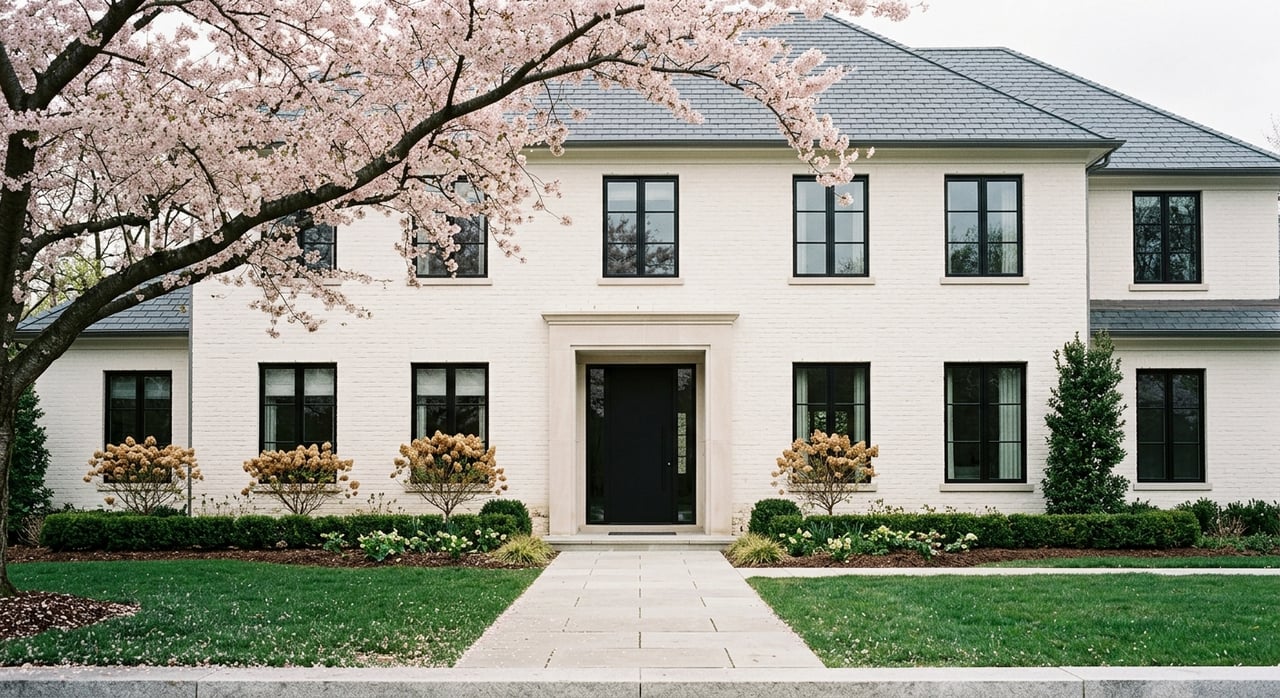
Kenwood is best known for its cherry trees. According to Visit Montgomery, the neighborhood has more than 1,200 cherry trees lining its streets, making it one of the county’s signature blossom destinations.
The trees were originally planted in the 1930s and 1940s, and the neighborhood’s most recognized viewing routes include Kennedy Drive, Dorset Avenue, and Kenwood Avenue. Peak bloom is typically in late March or early April, so spring brings a dramatic but brief visual highlight that shapes Kenwood’s public identity.
For many visitors, Kenwood offers a less crowded alternative to the Tidal Basin. For residents, that means you enjoy a neighborhood with a rare seasonal draw, while also understanding that blossom season brings extra activity for a short window each year.
What Blossom Season Means Day to Day
Spring in Kenwood is beautiful, but it also comes with logistics. Visit Montgomery’s blossom guidance notes that street parking is strictly forbidden during viewing periods, and visitors are often directed to downtown Bethesda garages or to approach on foot.
That seasonal traffic management is worth knowing if you are considering the neighborhood seriously. It does not define the full year, but it is part of daily life during peak bloom. In exchange, you get one of the most visually memorable spring settings in the Washington area.
Architectural Character in Kenwood
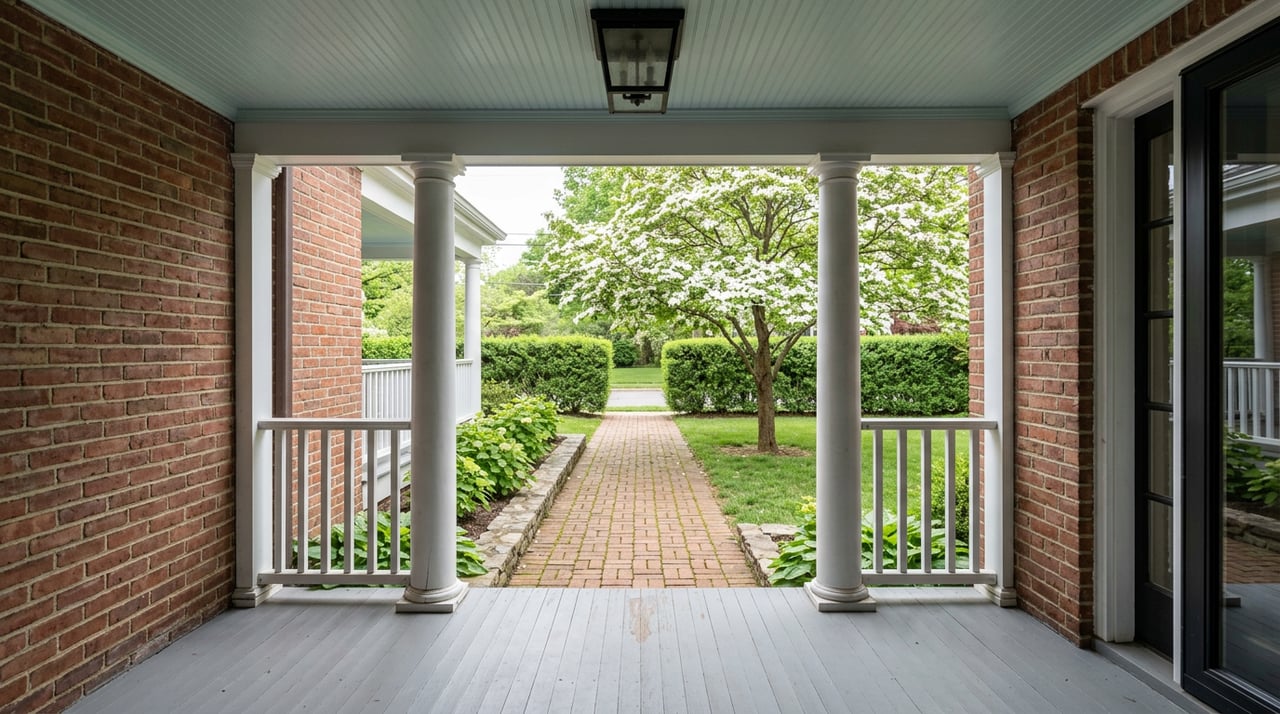
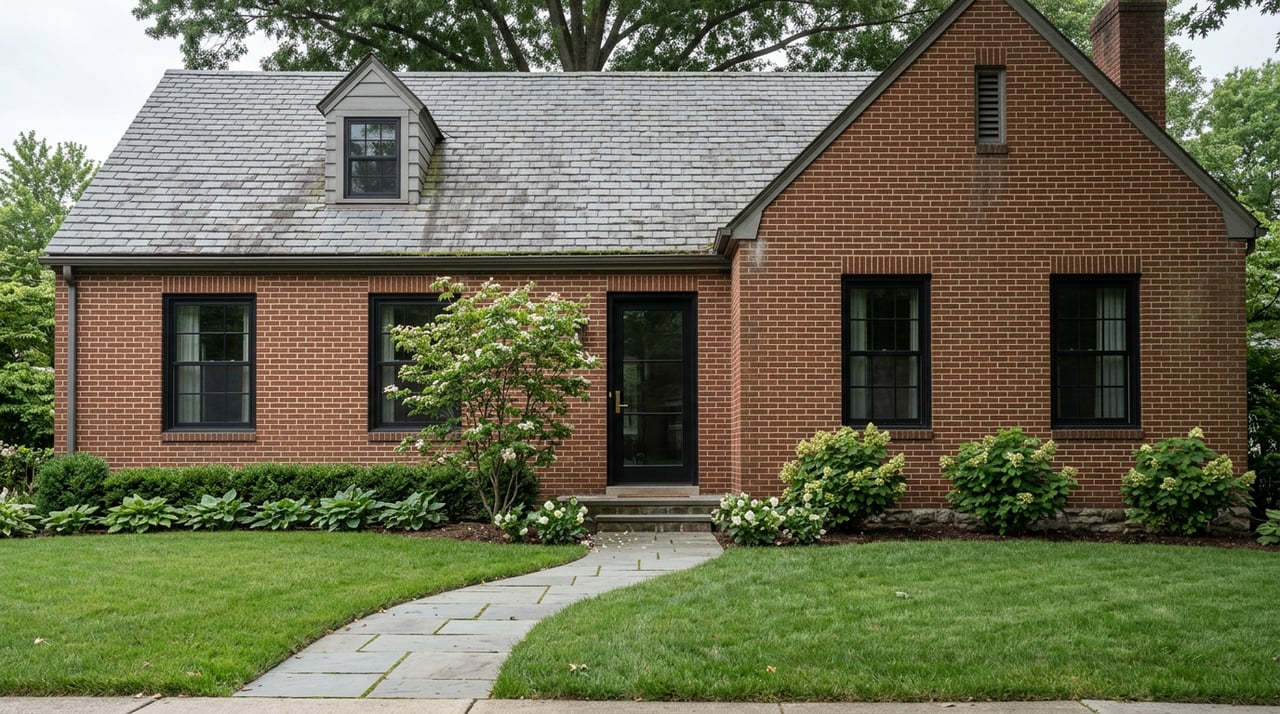
Kenwood’s visual consistency is one of its biggest strengths. Historical context from the Maryland Historical Trust describes a 1928 subdivision with curving streets, generously sized lots, and an architectural review approach intended to keep the neighborhood stylistically coherent.
Early homes were often built in brick or stone and reflected Colonial Revival, Tudor Revival, and French Provincial styles. Later, as restrictions loosened in the mid-1930s, smaller homes and some Modernist designs were added. That means the neighborhood has variety, but not randomness.
If you are drawn to neighborhoods where the built environment feels intentional, Kenwood has a clear appeal. The homes and streetscape create a polished, established setting that feels curated rather than improvised.
Streets, Lots, and Overall Feel
The same historical material notes that lots generally ranged from about 0.2 to 0.48 acres. That lot pattern contributes to a more spacious residential feel than you might expect from such a close-in location.
The curving street layout also softens the neighborhood visually. Instead of feeling rigid or overly dense, Kenwood tends to feel composed and residential, with mature landscaping and a strong sense of continuity from one block to the next.
Lifestyle Access Near Bethesda
One of Kenwood’s advantages is that its quiet residential character does not come at the expense of convenience. You are close to downtown Bethesda, which Bethesda Urban Partnership describes as an Arts & Entertainment District with year-round events and arts programming.
That proximity gives you easy access to dining, culture, and services without living in the middle of a busier commercial core. Official Bethesda materials also note that downtown offers nearly 200 restaurants, 17 public parking garages and surface lots, and a free Bethesda Circulator.
For buyers who want a residential setting with quick access to activity, this balance is a major draw. Kenwood feels tucked away, but it remains well connected to one of Montgomery County’s most active urban centers.
Dining and Culture Close By
Downtown Bethesda adds depth to daily life in and around Kenwood. You can explore a wide range of restaurants, attend local events, or enjoy arts programming without planning a long trip across the region.
The area also includes destinations such as Round House Theatre, which is one block from Bethesda Metro. Events like Taste of Bethesda, which draws more than 40,000 attendees, reinforce how active and established the nearby downtown environment is.
Trails and Connectivity
Another lifestyle asset near Kenwood is the Capital Crescent Trail. Montgomery Parks states that this 11-mile trail runs from Georgetown to Silver Spring and has access at Woodmont and Bethesda Avenue in Bethesda.
For many buyers, trail access adds real everyday value. It gives you another way to think about recreation and regional connection beyond driving alone.
There is one practical note to keep in mind. Montgomery Parks also reports that numerous trail entrances are currently closed because of Purple Line construction, so access may be more limited in certain areas for now.
What Living in Kenwood Feels Like
The strongest way to understand Kenwood is to see how three qualities overlap: seasonal beauty, architectural restraint, and proximity to Bethesda. It is not simply known for cherry blossoms, and it is not just a close-in residential neighborhood. It combines both with a built environment that has been intentionally shaped over time.
If you are comparing neighborhoods in the Bethesda-Chevy Chase area, Kenwood may appeal to you if you want:
- A residential setting with a strong visual identity
- Established homes and a coherent streetscape
- Close access to Bethesda dining and culture
- A neighborhood that feels tucked away yet connected
- A distinctive spring season that gives the area national-level recognition
That said, the neighborhood’s best-known feature also brings a tradeoff. During blossom season, crowds and parking restrictions are part of the picture. For many residents, that is a manageable seasonal reality rather than a year-round issue.
Who Kenwood May Suit Best
Kenwood often stands out for buyers who value setting as much as square footage. If you care about architecture, streetscape, and the overall feel of a neighborhood, this is the kind of place where those details matter.
It may also suit you if you want access to Bethesda’s amenities while keeping a more private residential atmosphere at home. For some buyers, that balance is hard to find elsewhere in such a close-in location.
For sellers, Kenwood’s identity can also be a meaningful advantage. Neighborhoods with a clear reputation and recognizable character often resonate strongly with buyers who are looking for more than a house alone.
If you are considering a move in Bethesda, Chevy Chase, or another close-in Montgomery County neighborhood, working with an advisor who understands how location, architecture, and buyer perception intersect can make a real difference. To explore the market with a tailored, discreet approach, connect with Haleh Troy.
FAQs
What is Kenwood in Bethesda known for?
- Kenwood is best known for its more than 1,200 cherry trees, its established residential character, and its close access to downtown Bethesda.
When do Kenwood cherry blossoms usually peak?
- Peak bloom in Kenwood is typically in late March or early April, based on Visit Montgomery’s seasonal guidance.
What streets are best known for cherry blossoms in Kenwood?
- Kennedy Drive, Dorset Avenue, and Kenwood Avenue are commonly cited as the neighborhood’s best-known blossom viewing corridors.
What architectural styles are found in Kenwood?
- Historical sources describe Kenwood homes as including Colonial Revival, Tudor Revival, French Provincial, and some later Modernist designs.
How close is Kenwood to downtown Bethesda amenities?
- Kenwood is close to downtown Bethesda, where you can access restaurants, arts programming, parking garages, and the Bethesda Circulator.
Is the Capital Crescent Trail near Kenwood?
- Yes. The Capital Crescent Trail is nearby in Bethesda, though Montgomery Parks notes that some entrances are currently closed because of Purple Line construction.