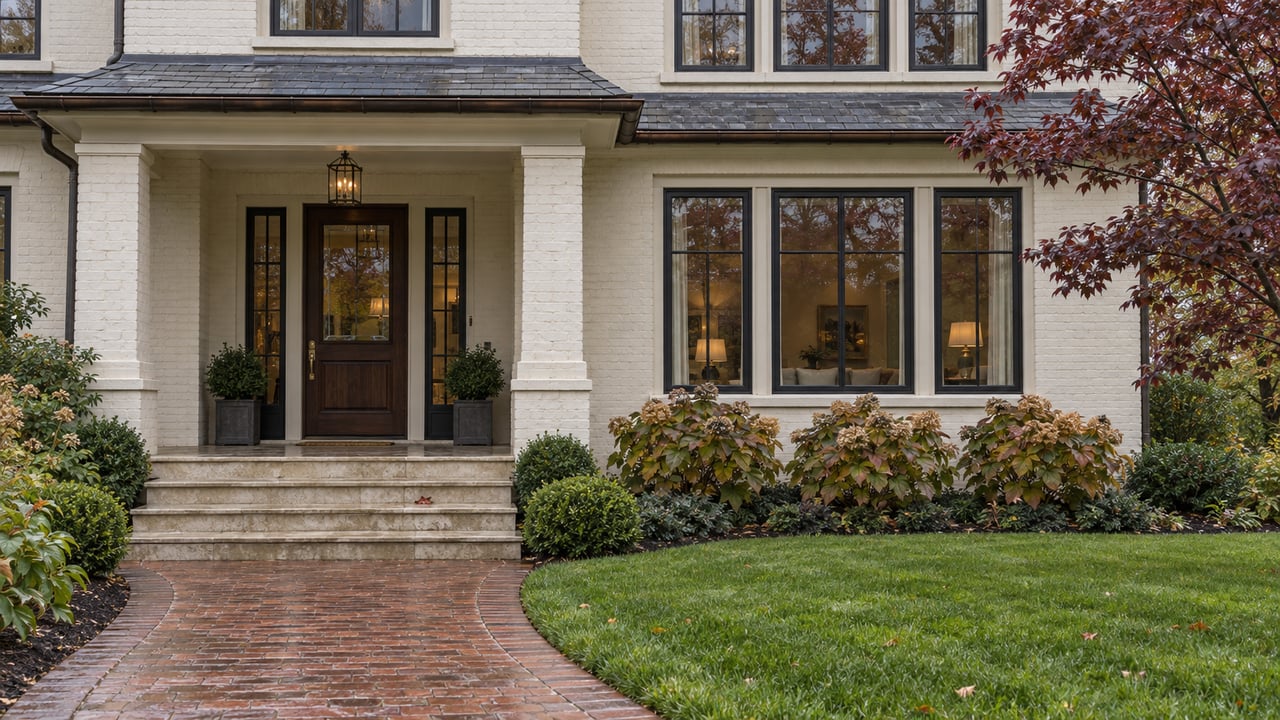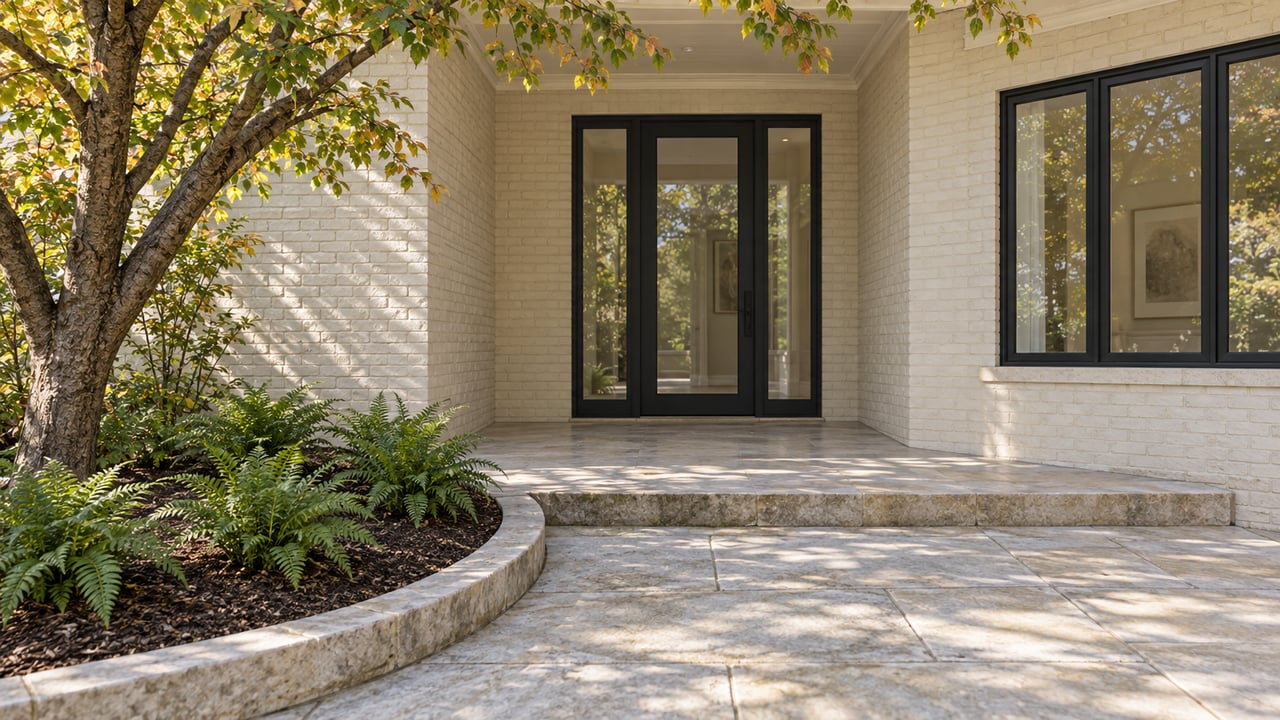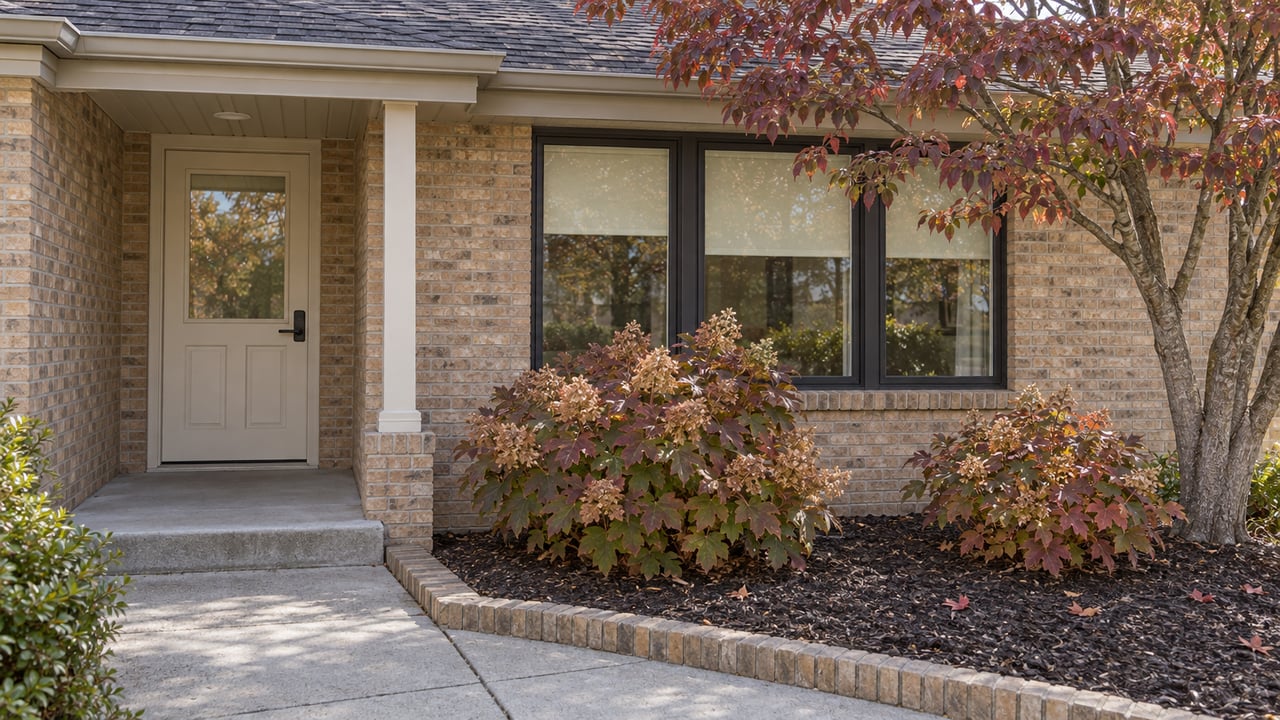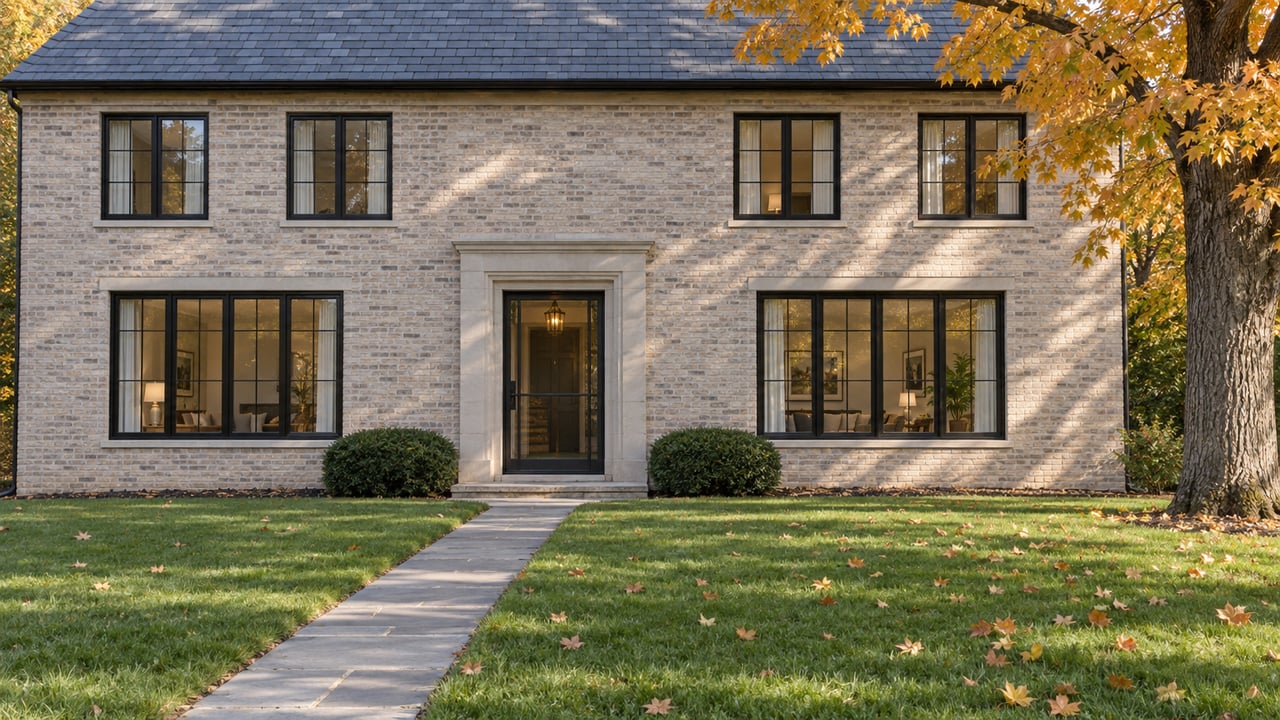
What does it actually mean when a listing says "Chevy Chase"? For a buyer working the DC market, the honest answer is: it depends which Chevy Chase you mean. The name covers roughly a dozen separate local governments, each with its own council or board, its own tax line, and in several cases its own permitting process layered on top of Montgomery County's. Two houses three blocks apart can carry the same "Chevy Chase, MD" mailing address and answer to entirely different rulebooks once you own them.
That distinction rarely shows up on a listing sheet. It shows up after closing, when the first tax bill arrives with a line item you didn't budget for, or after you've hired a contractor and discover your addition needs sign-off from a village board before the county will even open a permit file.
One name, several governments
Chevy Chase Village, the Town of Chevy Chase, Section 3, Section 5, Martin's Additions, the Village of Friendship Heights, the Town of Somerset, the Village of Drummond, North Chevy Chase, and the unincorporated pockets of Montgomery County all sit under the same colloquial umbrella.
A local design-build firm that works across these communities lists its service area as Chevy Chase Village, Section 3, Section 5, Hamlet, Martin's Additions, Drummond, Friendship Heights, and Bradford Hills, which gives a sense of just how many distinct jurisdictions a contractor has to track before pulling a single permit in this part of the county.
Chevy Chase Village is the largest and oldest of the incorporated pieces. It was created in 1890 and incorporated as a municipality in 1951, and it now counts 722 homes and roughly 1,950 residents. According to Chevy Chase Village's government page, it has its own appointed Village Manager, its own Police Department, and a seven-member elected Board of Managers responsible for road maintenance, refuse collection, and building permits inside village limits.
Section 3 traces back to a 1916 special taxing district and became an incorporated village in 1982. It covers 280 residential lots bounded by Taylor Street, Bradley Lane, Connecticut Avenue, and Brookville Road, and it's governed by a five-member elected council. Section 5 sits just north of it and followed the same 1982 incorporation path after being established in 1922. Martin's Additions incorporated in 1985 and has its own village manager and five-member council overseeing about 325 homes. The Seventh State describes the Village of Friendship Heights, by contrast, as a special tax district rather than a municipality, and it looks the part: high-rise apartments and commercial buildings cluster around the Wisconsin and Western Avenue corridor rather than the single-family streets that define the villages to its north.
What incorporation actually changes on your tax bill
Buyers sometimes assume that an incorporated village means an extra income tax on top of what they already pay. It doesn't work that way. The Chevy Chase Village newsletter explains that residents pay the same Maryland and Montgomery County income tax as everyone else, and the village receives a share of that county tax back to fund its own services. What incorporation adds is a separate real property tax line, and in Chevy Chase Village's case, a personal property tax line as well.
The most recent budget cycle, for the fiscal year that closed June 30, 2026, shows why. The Village Board's own documents cite a constant yield real property tax rate of $.0636 for 2025, calculated against a net assessable property base of just over $1.49 billion, an increase of roughly $93.9 million over the prior year, and projected to generate approximately $948,297 in village revenue. The personal property tax rate held at $.66 per $100 of assessed value. Going into that fiscal year close, the village's projected reserve balance sat just over $16.56 million.
The "constant yield" language matters more than it sounds like it should. A published rate that looks flat or even slightly lower than last year's doesn't mean your actual bill is flat.
Permitting steps for a renovation
The tax line is the visible difference. The permitting difference is the one that costs buyers real time.
In Chevy Chase Village, any exterior change to a home, additions, new decks, rooflines, sometimes even window replacements, requires Village Board architectural review before a Montgomery County Department of Permitting Services application can even be submitted, according to H&C Construction Design Build. That review typically runs four to eight weeks depending on project scope, and it happens before the county's own permit clock starts running, not instead of it.
A typical renovation timeline in Chevy Chase Village looks like this:
- Village Board architectural review (roughly four to eight weeks, scope-dependent)
- Montgomery County DPS permit application and review
- Construction start, once both approvals are in hand
Sections 3 and 5 don't have that separate village architectural board layered on top of county review, but many properties there carry deed restrictions or HOA covenants that impose their own design approval, so a buyer still can't assume county permitting is the only hurdle.
None of this makes renovating in Chevy Chase a bad bet. The same design-build firm that tracks these jurisdictions notes that additions here can recover 60 to 75 percent of construction cost in added home value, in a market where comparable homes already sell above $1.5 million. The point isn't that the permitting layer kills the economics. It's that the timeline assumption baked into a renovation budget needs to match the specific jurisdiction, not the neighborhood name on the listing.
What this means when you're comparing two listings
If you're cross-shopping addresses that all say "Chevy Chase," the mailing address alone won't tell you which government you're dealing with. A Section 3 lot bounded by Brookville Road looks, from the street, much like a Chevy Chase Village lot two blocks south. The differences that actually affect your ownership experience, the tax line, the permitting sequence, whether you have a resident police force or rely on the county, sit in village and county records rather than in the listing description.
Before writing an offer on anything in this cluster, it's worth confirming three things directly: which specific municipality or special tax district the parcel sits in, what that jurisdiction's current real property and personal property tax rates are, and whether any exterior renovation you're planning will need a village-level review before the county will touch it. A records check up front can help clarify the tax bill and permitting steps before you write an offer.
A few common questions
Does living in an incorporated Chevy Chase village mean I pay a new income tax? No. Residents pay the same state and county income tax as anyone else in Montgomery County. Incorporation adds a separate real property tax line, and in Chevy Chase Village, a personal property tax line, funded locally rather than shared countywide.
If I want to add a primary suite in Chevy Chase Village, how much extra time should I budget? Plan for four to eight weeks of Village Board architectural review before the county permit process even begins, on top of whatever the county's own review timeline runs.
Comparing homes across this cluster means comparing governments as much as square footage. If you're weighing a purchase or a renovation anywhere in the Chevy Chase and Friendship Heights area and want a clear read on which jurisdiction a specific address falls under before you write an offer, Haleh Troy can walk you through it. Let's Connect.
This article is general information, not legal, tax or financial advice. Consult a qualified professional about your situation.