Thinking about buying a Kenwood Colonial? The charm is easy to see, but the smart questions usually start after the first showing. If you are drawn to Kenwood for its classic architecture, mature setting, and close-in Bethesda location, it helps to understand how much the specific lot, renovation history, and county rules can shape your experience. This guide will walk you through what to look for before you buy. Let’s dive in.
Kenwood has a distinct neighborhood fabric
Kenwood is not a newer subdivision with predictable lot layouts and uniform homes. Historical context research shows the neighborhood was founded in 1928, with curving streets and lots that generally range from about 0.2 to 0.48 acres.
Most of the neighborhood was developed by the end of the 1940s. Early homes were commonly built in brick or stone, with Colonial Revival, Tudor Revival, and French Provincial styles appearing throughout the area.
For you as a buyer, that means one Kenwood Colonial can feel very different from another. Street position, lot shape, yard depth, and the history of updates may matter just as much as square footage.
Cherry trees affect daily living
Kenwood is widely known for its cherry trees. According to the Kenwood Garden Club, the neighborhood has more than 1,200 Yoshino cherry trees that were originally planted in the 1930s and 1940s.
That beauty also comes with practical considerations. Local reporting noted that peak bloom brings thousands of visitors each year, so on-street parking, privacy, and traffic exposure can vary depending on the block and how visible the house is from the street.
If you are comparing homes, it is worth visiting at more than one time of year. A quiet block in one season may feel much busier during bloom.
Location is part of the appeal
Kenwood sits within the broader Bethesda-Chevy Chase area in southern Montgomery County. Montgomery Planning describes the area as having access to the Capital Crescent Trail and major roads including East-West Highway, Connecticut Avenue, and Jones Bridge Road.
That close-in setting is a major part of what makes Kenwood attractive. When you evaluate a home here, you are buying not only the house itself but also a well-established location with strong regional access.
What a Kenwood Colonial usually means
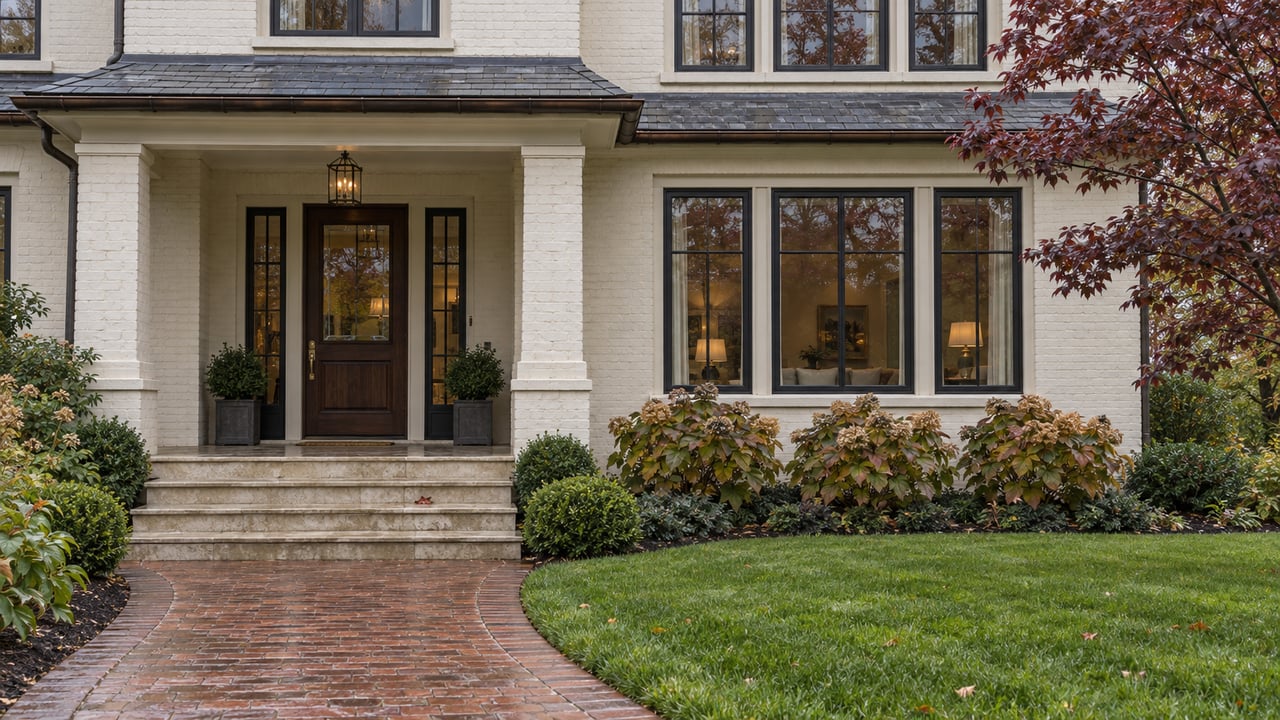
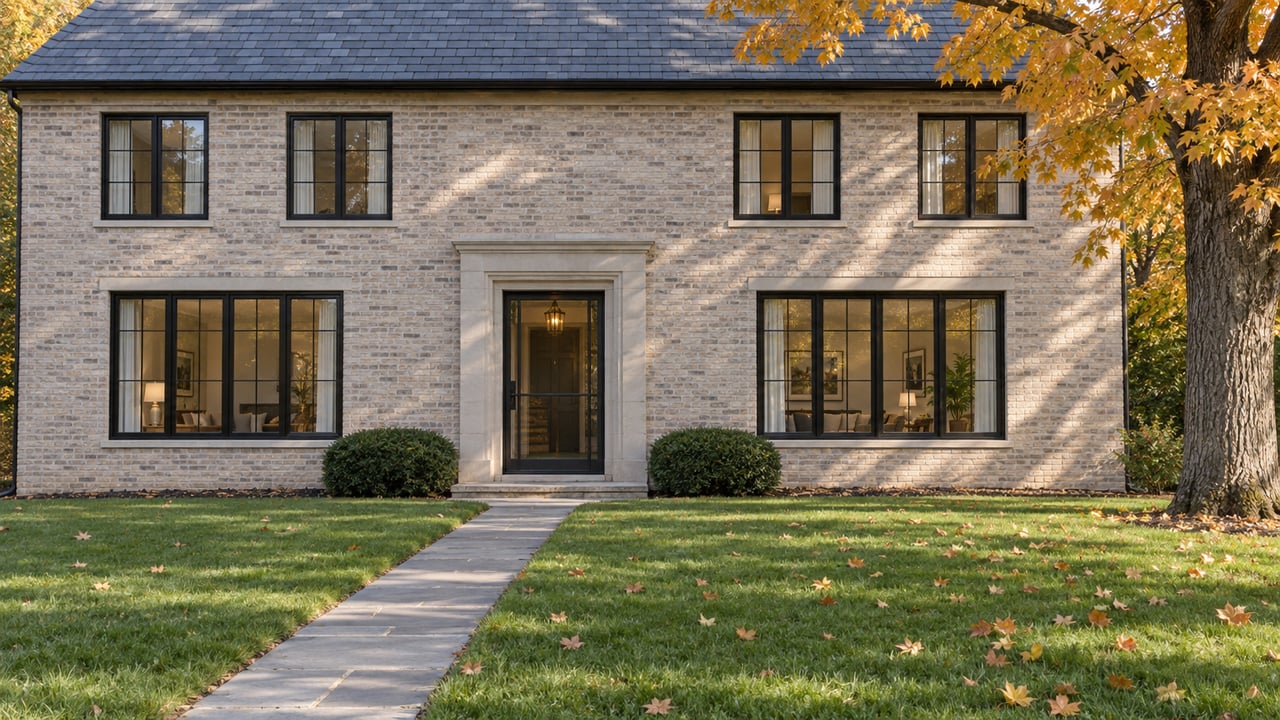
In Kenwood, the term “Colonial” usually refers to Colonial Revival rather than a true colonial-era house. The National Park Service describes Colonial Revival as a style meant to suggest the colonial era, often through symmetry, a prominent entry, multi-pane sash windows, and gable or gambrel roofs.
That broad label can cover a lot of variation. In Kenwood, two homes described as colonials may differ quite a bit in scale, facade details, interior flow, and renovation quality.
Common features to look for
Many Kenwood Colonials include features such as:
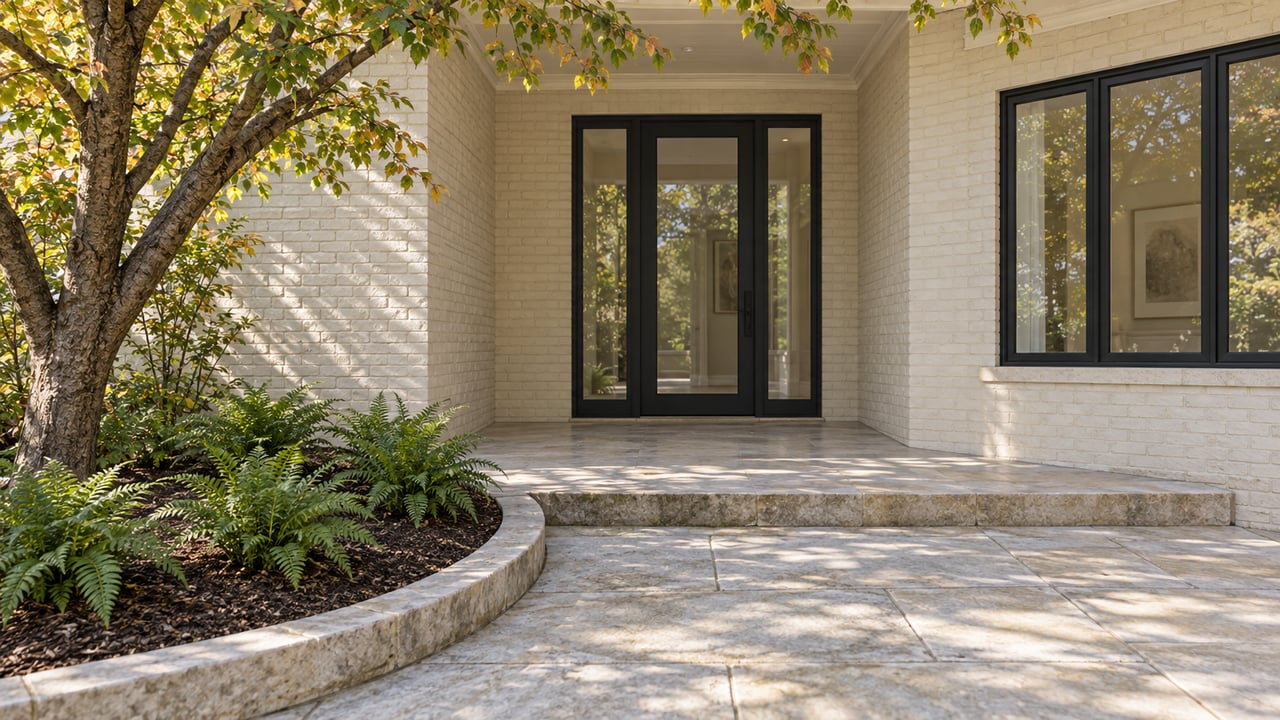
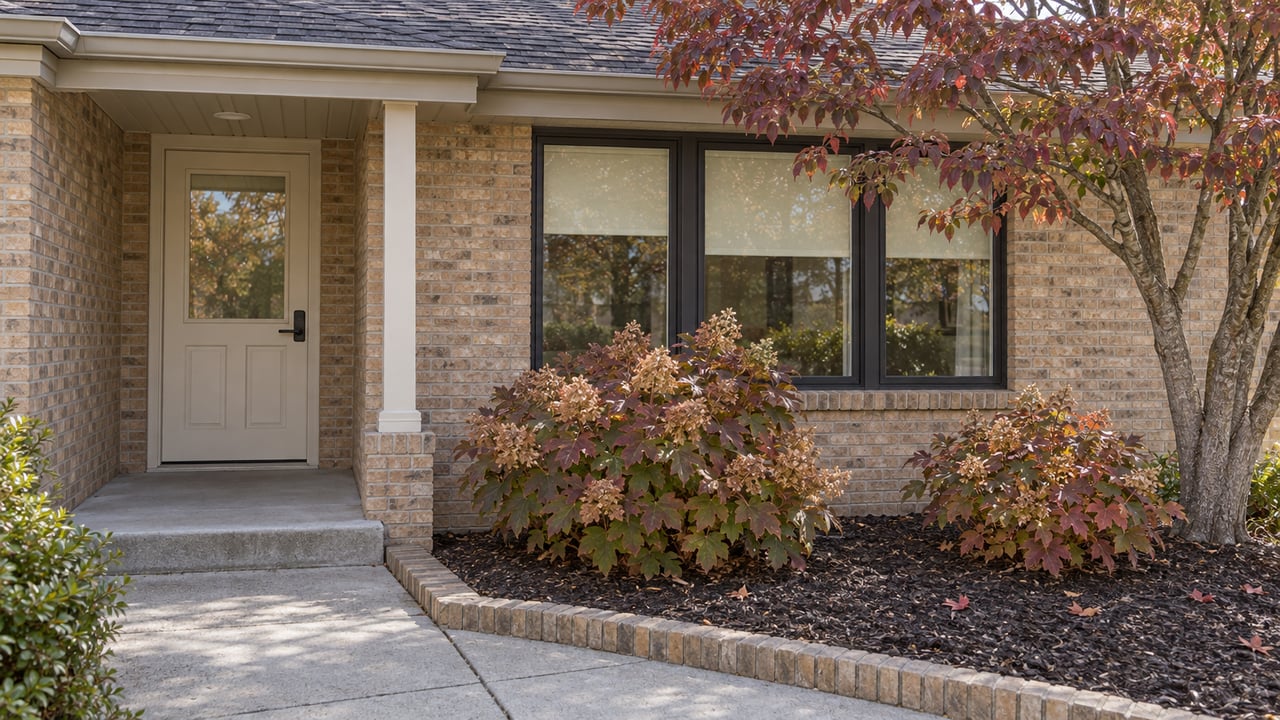
- Brick or stone exteriors
- Balanced front elevations
- Centered front entrances
- Multi-pane windows or replacement windows in similar proportions
- Traditional rooflines such as gable forms
These details often create the classic look buyers expect. Still, the exact design can vary from house to house.
Not every Colonial is fully original
Historical research shows that Kenwood offered both custom and model-house options, and buyers could work with their own architect or use the subdivision’s model-house architect, Alexander H. Sonnemann. The neighborhood also used covenants and architectural review to maintain a cohesive streetscape.
Over time, however, the housing stock evolved. After covenants loosened in the mid-1930s, smaller houses and even a few Modernist homes were added, and many original homes later received additions, porch changes, replacement windows, or other exterior updates.
That means you should not assume the visible facade tells the whole story. A house may read as Colonial from the street while containing decades of layered changes behind it.
Lot shape and siting matter more here
Because Kenwood was laid out with curving streets rather than a strict, repetitive grid, homes can sit very differently on their lots. Some properties may have wider side yards or deeper rear setbacks, while others may sit on more irregular footprints shaped by the street pattern.
This can affect how a house lives day to day. Yard usability, privacy, drainage patterns, and even future renovation options may be influenced by the shape and siting of the lot.
When you tour a home, look beyond the front elevation. Walk the full lot and notice grading, side-yard width, outdoor living space, and how neighboring homes relate to the property.
Check historic status before you plan changes
One of the most important early questions is whether the specific address appears on Montgomery County preservation maps. Montgomery Planning identifies the Locational Atlas & Index of Historic Sites and the Master Plan for Historic Preservation as key references for historic status.
If a property is designated, exterior changes generally fall under the Historic Area Work Permit, or HAWP, process. That review can apply to projects such as additions, window replacement, roof or siding replacement, demolition, and work affecting the exterior or environmental setting.
HAWP is not the same as a building permit
Montgomery Planning and county permitting guidance make clear that a HAWP does not replace a regular county building permit. Depending on the project, a home may require both forms of approval.
Interior work and ordinary maintenance generally do not require HAWP. Still, if you are buying with future renovation plans in mind, historic status can shape your timeline, budget, and design flexibility.
Ask for renovation paperwork early
In a mature neighborhood like Kenwood, documentation matters. If major work has already been done, you should ask for records related to roof replacement, window changes, siding updates, additions, decks, patios, grading, and tree removal.
Good paperwork helps you understand what changed, when it changed, and whether the proper approvals were obtained. In some cases, that history can be just as important as the finishes you see during a tour.
This is especially true if the house may be historically designated or if prior owners completed exterior work that would typically require county review. Missing records can create uncertainty for future projects.
Focus your inspection on older-home risks
A Kenwood Colonial often combines strong architectural appeal with the realities of an older structure. That makes your inspection strategy especially important.
EPA guidance emphasizes moisture control as the key to mold prevention, and the U.S. Department of Energy notes that many older homes have less insulation than newer ones. In practical terms, you will want to pay close attention to roofing, flashing, gutters, downspouts, basement moisture, attic insulation, air sealing, and ventilation.
Moisture and drainage questions
Ask direct questions about how the house handles water. That includes the roof age, any visible attic staining, whether gutters and downspouts move water away from the foundation, and whether the basement has ever taken on water.
You should also ask whether sump pumps, drainage improvements, or foundation crack repairs have been installed. In an older home, moisture history can affect both comfort and maintenance costs.
Lead disclosure matters in older homes
Because Kenwood homes were largely built before 1978, lead-based paint is an important issue to address. EPA states that homes built before 1978 are more likely to contain lead-based paint, and buyers of most pre-1978 housing have the right to receive known lead information before signing.
If the home has had repainting, window work, or other repair work, ask whether lead-safe methods were used. This is especially relevant in older homes where painted surfaces and original materials may have been disturbed over time.
Radon is not optional in Montgomery County
Montgomery County states that it has high levels of radon in the soil, recommends testing every home, and requires that a single-family home be tested for radon before completing a sale.
Before closing, review the radon test paperwork carefully. If the home has a mitigation system, ask when it was installed and whether it has been serviced.
Systems and permit history
Older houses often have a mix of original and updated systems. Ask about the age of the electrical service, HVAC equipment, and other major improvements.
Montgomery County permit guidance indicates that work such as electrical, HVAC, additions, decks, and other structural or exterior projects often requires permits. In a Kenwood Colonial, permit records can help confirm whether updates were done properly and whether future work may be straightforward.
A practical pre-offer checklist
Before you move forward, make sure you have answers to these questions:
- Is the property listed on the county’s historic preservation maps?
- Were exterior changes approved if the home is designated?
- Are records available for additions, windows, roofing, decks, grading, or tree work?
- Has the home been tested for radon, and is there a mitigation system?
- Is the lead disclosure package complete?
- What is the history of basement moisture or drainage improvements?
- How old are the roof, HVAC, and electrical updates?
- Does the lot layout support your privacy, outdoor space, and future renovation goals?
Why house-specific history matters most
The appeal of a Kenwood Colonial usually starts with architecture and setting. You get the character of an early-20th-century neighborhood, mature landscaping, and a highly connected Bethesda location.
But long-term livability depends on more than style. The exact lot, renovation quality, building-system condition, and county review requirements can all shape how confident you feel in the purchase and how flexible the property will be over time.
That is why the smartest buyers look past the label and study the address itself. In Kenwood, house-specific history often matters just as much as curb appeal.
If you are considering a Kenwood Colonial, a careful, property-by-property review can help you buy with more clarity and fewer surprises. For tailored guidance on evaluating older and architecturally significant homes in Bethesda and across the Washington area, connect with Haleh Troy.
FAQs
What does a Kenwood Colonial usually look like?
- A Kenwood Colonial usually refers to a Colonial Revival home with features such as symmetry, a centered entry, multi-pane windows, and brick or stone exterior materials.
Why do lot shapes vary in Kenwood?
- Kenwood was planned with curving streets and older subdivision patterns, so lot shapes, setbacks, and yard layouts can vary more than they do in newer neighborhoods.
How can I check if a Kenwood home has historic status?
- Montgomery Planning says buyers should verify historic status through the Locational Atlas & Index of Historic Sites and the Master Plan for Historic Preservation.
What exterior work may require approval on a historic Kenwood property?
- For a designated property, exterior projects such as additions, window replacement, roof or siding replacement, demolition, and similar changes may require a Historic Area Work Permit.
What inspection issues matter most in an older Kenwood Colonial?
- Key areas include moisture control, roof and drainage condition, basement water history, attic insulation and ventilation, lead disclosure, radon testing, and permit records for major system upgrades.
Is radon testing required when buying a single-family home in Montgomery County?
- Yes. Montgomery County says a single-family home must be tested for radon before completing a sale, and buyers should review the test results carefully.