Wondering why two homes in Leisure World can look similar but come with very different monthly costs? That is one of the most important things to understand before you buy in this 55+ Silver Spring community. If you are comparing condos, co-op homes, patio homes, or townhomes, this guide will help you make sense of the housing types, ownership structures, and monthly fees so you can evaluate each option with more confidence. Let’s dive in.
Leisure World housing types
Leisure World of Maryland is a gated 55+ community in Silver Spring with more than 5,660 homes spread across 29 mutuals. The community describes itself as a community of communities, with residents governing through LWMC and LWCC.
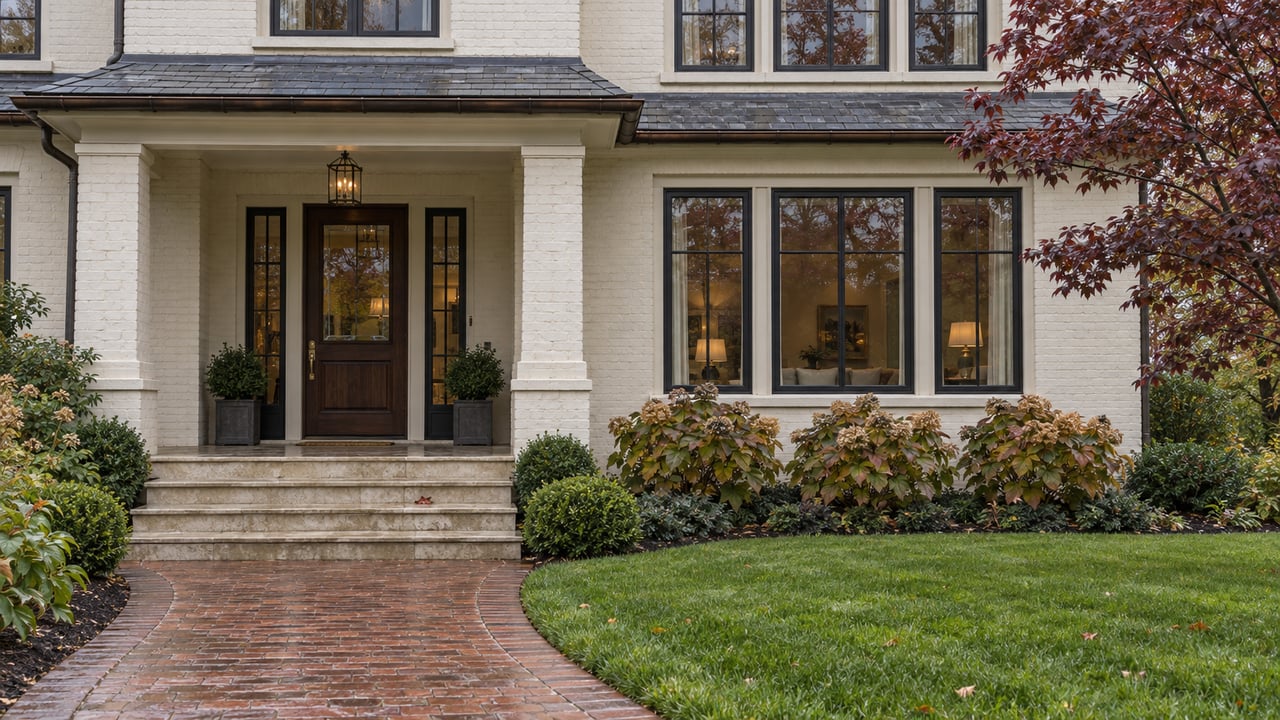
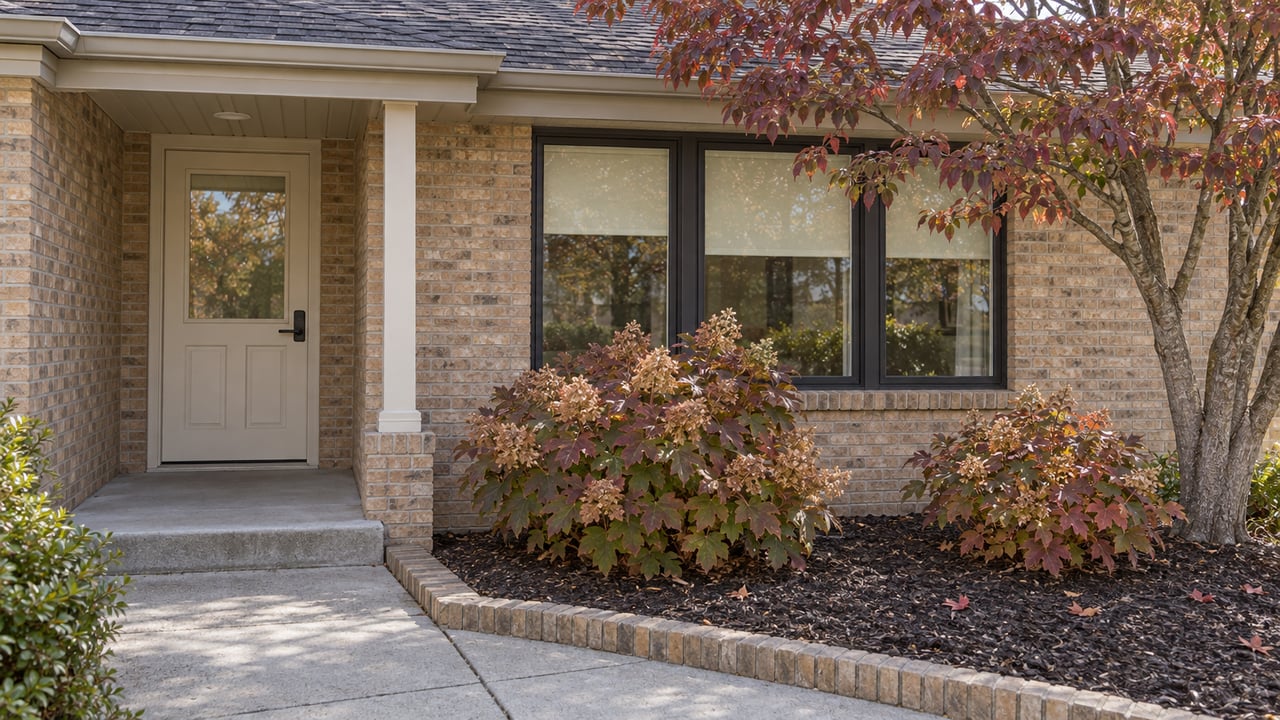
That structure matters because the home style you see from the curb does not always tell you how the property is legally owned. In Leisure World, homes include high-rise and low-rise condominiums, patio homes, townhomes, duplexes, and single-family homes, but those styles sit within different ownership frameworks.
Three ownership structures
Leisure World includes three main ownership forms:
- Condominiums
- Co-op ownership
- Homeowners association ownership
There are 27 condominium associations, one co-op, and one homeowners association. Most homes in Leisure World are in condo associations.
How ownership affects what you buy
When you are shopping in Leisure World, it helps to separate the physical home from the legal structure behind it. That legal structure influences your monthly costs, your rights as an owner, and the rules you will live under.
Condominium ownership
In a condominium, you hold title to your individual unit along with an undivided interest in the common elements. Montgomery County guidance notes that condo ownership typically includes shared areas and systems such as common grounds, parking, recreation facilities, utilities, and parts of the structure like roofs and lobbies.
This means your monthly charges may support both your building and the broader community services tied to your mutual and the Trust fee. It also means the condo documents are essential because they spell out what is included and how the association operates.
Co-op ownership
The co-op section of Leisure World is Montgomery Mutual. In this structure, residents are stockholders and members of a housing cooperative, with renewable and resalable rights to occupy a specific unit rather than deeded ownership of that unit.
Montgomery Mutual includes 898 units and offers several home styles, including townhouses, duplexes, low-rise multi-unit buildings, ranch homes, and studios. If you are looking at a home in Montgomery Mutual, the appearance of the property alone will not tell you that it is part of a co-op.
HOA ownership
The HOA portion of Leisure World is The Regency. It includes 85 homes made up of single-family homes and some townhomes.
For buyers who want a detached-home or townhome setting, this is an important distinction to understand early. HOA ownership is governed differently from condos and co-ops, so the documents and fee structure should be reviewed with care.
How monthly fees work in Leisure World
One of the biggest points of confusion for buyers is the monthly payment structure. In Leisure World, homeowners generally pay two layers of recurring charges.
The first is the Trust fee, which supports commonly owned community assets and services. The second is the mutual fee, which is set by the individual housing association.
The 2026 Trust fee
For 2026, the monthly Trust fee is $275.73 per household. According to the official community FAQ, that amount includes basic cable television and high-speed internet.
The LWCC board determines the Trust fee, while each mutual controls its own budget and policies. That is why total monthly costs can vary so much from one home to another.
What the Trust fee supports
A Leisure World budget article described the Trust portion, also called the Community Facilities Fee, as helping fund community operations, reserve contributions, and shared services. It has traditionally supported both facilities and day-to-day services across the community.
Examples listed in that budget article include:
- Clubhouses
- Gatehouses
- Restaurants
- Courts
- Golf course
- Medical center
- Fitness center
- Roads and sidewalks
- Indoor and outdoor pools
- Landscaping
- Shuttle buses
- Maintenance and repairs
- Snow removal
- Social services
- Security patrol
- Refuse and recycling
- Cable and internet
That said, you should not assume every repair is covered by your monthly payment. Leisure World also offers handyman-style maintenance help for a fee.
Why mutual fees vary so much
The official comparison chart, updated in December 2023, warns buyers to ask what the monthly payments cover because some mutuals include utilities or other services. This is one of the clearest reasons that similar-looking homes can have very different carrying costs.
In the examples listed on that chart, monthly homeowner payments range from $561 to $1,378. That spread is large enough to affect both affordability and day-to-day budgeting.
Sample monthly payment ranges
Here are a few examples from the official comparison chart:
- Montgomery Mutual co-op: $747 to $1,111
- Mutual 17B: $561 to $841
- Turnberry Courts: $912 to $1,378
These examples show why it is not enough to compare purchase prices alone. Two homes may seem similar on paper, but the monthly obligations can be quite different depending on the mutual and what is included.
What to review before you buy
Before you commit to a property in Leisure World, make sure you review the documents for the exact mutual, building, or neighborhood. Leisure World directs buyers to mutual documents through HomeWiseDocs and individual mutual offices.
The documents that matter most include the declaration or master deed, bylaws, rules and regulations, and current budget or resale materials. Montgomery County guidance explains that associations have the legal authority to assess fees, enforce rules, and manage common property, so these records define what you are actually buying into.
Key details that can differ by mutual
The official comparison chart shows that rules and features can vary in meaningful ways from one mutual to another. These differences may affect your comfort, convenience, and long-term plans.
Look closely at items such as:
- Whether the building has an elevator
- Whether parking is assigned or limited
- Whether utilities are included
- Rental rules and owner-occupancy requirements
- Rental caps
- Pet rules
- Smoking rules
- Guest room access
- Community meeting room access
For example, the comparison chart notes that Mutual 15 requires two years of ownership before leasing, while Mutual 17A has a 30 percent rental cap. If rental flexibility matters to you, details like these should be reviewed before you make an offer.
A note on resale costs
Monthly fees are only part of the financial picture. At resale, buyers also pay a separate one-time fee equal to 3 percent of the gross sales price.
This charge goes to the Resales Improvement Fund and is separate from monthly fees. It is an important line item to factor into your planning when you evaluate total costs.
Practical guidance for buyers and sellers
If you are buying in Leisure World, the best approach is to compare the full cost of ownership, not just the asking price. That means looking at the purchase price, the Trust fee, the mutual fee, and which services are included or excluded.
If you are selling, it helps to understand how your home’s ownership structure and fee profile may shape buyer questions. Clear information about the mutual, the monthly charges, and the governing documents can make your property easier for buyers to evaluate.
Leisure World is designed for independent living for adults 55 and older, not assisted living or long-term care. The community FAQ notes that social workers can help residents find outside support services if needs change.
Because fees and rules are set at the mutual level and can change, always verify the current budget, bylaws, and resale packet for the specific mutual before making a decision. The comparison chart itself tells buyers to contact the individual mutual for further details and updates.
If you are weighing your options in Leisure World and want a thoughtful, discreet approach to the decision, Haleh Troy can help you compare properties, understand the numbers, and move forward with clarity.
FAQs
What types of homes are available in Leisure World?
- Leisure World includes high-rise and low-rise condominiums, patio homes, townhomes, duplexes, and single-family homes.
What ownership types exist in Leisure World?
- Leisure World has 27 condominium associations, one co-op called Montgomery Mutual, and one HOA section called The Regency.
What is the Leisure World Trust fee in 2026?
- The 2026 monthly Trust fee is $275.73 per household and includes basic cable television and high-speed internet.
Why do monthly fees vary between Leisure World homes?
- Monthly fees vary because each mutual sets its own budget and policies, and some mutuals include utilities or other services that others do not.
What should buyers review before purchasing in Leisure World?
- Buyers should review the declaration or master deed, bylaws, rules and regulations, and current budget or resale materials for the exact mutual.
Is there a resale fee in Leisure World?
- Yes. Buyers pay a separate one-time fee equal to 3 percent of the gross sales price, which goes to the Resales Improvement Fund.