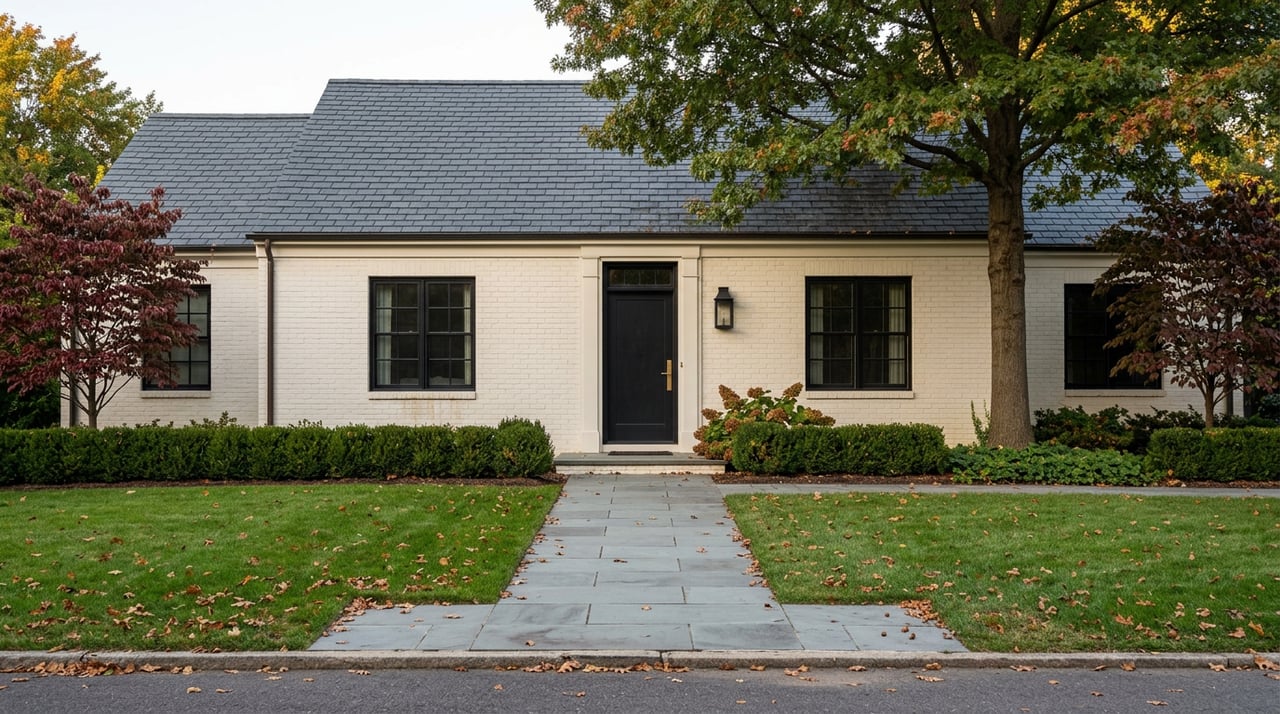
Thinking about listing your Chevy Chase luxury home in the next 6 to 12 months? You want a process that protects your time, privacy, and investment while delivering a polished, high‑confidence launch. With the right plan, you can reduce surprises, focus on high‑ROI improvements, and position your home to stand out with elegant marketing. This guide walks you through the local market context, Maryland legal steps, smart upgrades, visual media, privacy options, and a clear timeline to get you to market with confidence. Let’s dive in.
Know your Chevy Chase luxury market
Luxury in the Washington, D.C. region is typically defined as the top tier of local sales, which has hovered in the mid‑seven figures. Recent regional reporting places that threshold around the $1.7 to $1.8 million mark for the D.C. metro, which aligns with many Chevy Chase offerings. This luxury segment behaves differently: the buyer pool is smaller, and sales velocity depends on uniqueness and price tier.
County signals matter when setting expectations. Montgomery County median pricing and days on market have shown modest year‑over‑year movement as inventory has expanded versus 2024 levels. Price strategically against close‑in comps in Chevy Chase and adjacent Bethesda pockets, and be ready for longer marketing windows when you have few direct comparables or a one‑of‑a‑kind estate. For distinctive properties, appraisal and buyer financing dynamics can carry more weight, which makes a well‑documented home even more valuable.
Legal and permitting essentials in Maryland
Maryland has specific seller requirements. Understanding them early helps you avoid delays or contract issues later.
- Seller disclosure or disclaimer: At listing, you must provide either the Maryland Residential Property Disclosure Statement or the Residential Property Disclaimer Statement. Even with a disclaimer, you still must disclose any known latent defects. Missing or late delivery can trigger buyer cancellation rights. Review the process in Maryland’s seller disclosure guidance.
- Lead paint for pre‑1978 homes: Federal Title X rules apply. You must provide the EPA/HUD pamphlet, disclose known lead information, include the contract warning statement, and offer a 10‑day inspection window that the buyer may waive. Learn more from the EPA’s lead disclosure overview.
- Historic and exterior changes: Many Chevy Chase addresses fall in or near designated historic areas or local village jurisdictions. Exterior alterations, demolition, removing large trees, or material changes can require a Historic Area Work Permit and review by Montgomery County’s Historic Preservation Commission. Timelines can take several weeks. Confirm your status and next steps using the county’s Historic Area Work Permit guide.
Build your 6–12 month plan
If you expect to complete renovations, handle art or collection logistics, or navigate historic approvals, plan on a longer runway. HAWP review and contractor lead times often justify starting 6 to 12 months before launch. Use that time to set disclosure strategy, gather documentation, and map your marketing plan.
Here is a focused 8‑week sprint you can follow once you are within striking distance:
- Weeks 8 to 6: Order pre‑listing inspections and gather documentation. Decide disclosure vs disclaimer and collect past invoices and permits for major work. If you need a historic permit, begin filings now. See Maryland’s disclosure basics at Nolo’s guide.
- Weeks 6 to 4: Complete priority repairs and service key systems. Lock your staging plan and reserve rentals. Book your photographer, 3D tour provider, and licensed drone pilot if conditions allow.
- Weeks 4 to 2: Install staging, complete deep cleaning, and produce media: photography, twilight images, 3D walkthrough, and video. Draft your property narrative, brochure, and single‑property website.
- Week 1: Hold a broker preview and a small number of private showings for vetted agents. Finalize pricing and your launch approach, whether public MLS entry or a privacy‑first path.
- Listing week: Publish your assets, activate targeted outreach, and track showing quality. Expect fewer, more qualified tours in the luxury pool.
Get ahead with pre‑listing inspections
A seller‑paid inspection uncovers issues on your timeline, not the buyer’s. It can cut down on renegotiations and speed up contract periods. Many luxury sellers use a full home inspection plus targeted add‑ons. Learn the timing and benefits from this overview of pre‑listing inspection practices.
Consider these additions for Chevy Chase estates:
- Sewer scope, radon test, and WDI/termite report
- Roof certification and recent HVAC service documentation
- Electrical panel photos with labeling
- Invoices and permits for major systems and renovations
Package these items for buyers and appraisers. A clear, organized file signals a well‑maintained property and supports valuation.
Invest where buyers notice the most
Not all upgrades pay back equally. Lean on Cost vs Value benchmarks to choose projects that typically recoup a higher share of cost. Exterior curb projects and selective, midrange kitchen or bath updates often perform better than large, bespoke additions. Review national ROI patterns in the latest Cost vs Value report.
High‑impact moves that are usually lower risk:
- Fresh paint in key rooms and refinished hardwoods
- Professional landscaping, low‑voltage lighting, and refreshed entry door
- Driveway repair or reseal and tuned garage doors
- Selective kitchen refresh: counters, hardware, lighting, faucet, and paint
- Service and certification of mechanical systems
Use local comps to guide whether a full upscale kitchen or bath remodel makes financial sense for your price tier.
Stage to elevate scale and light
Staging helps buyers grasp scale, flow, and function, especially in larger homes. Agents consistently report that staging reduces time on market and can support stronger offers, with the living room, kitchen, and primary bedroom ranked as high‑impact areas. See highlights in NAR’s staging report.
For luxury listings, go a step further:
- Use furniture sized to the architecture so rooms read properly in person and on camera.
- Remove or store high‑value art and collections. Bring in neutral pieces that complement your finishes.
- Style as hospitality grade: crisp linens, layered lighting, and restrained color to let materials and architecture lead.
Elevate with best‑in‑class media
High‑net‑worth buyers expect a full visual suite. The must‑haves include:
- Architectural photography, including twilight exteriors
- Cinematic property film or lifestyle reel
- 3D walkthrough like Matterport and accurate floor plans
- A property microsite and downloadable brochure
Immersive media can increase qualified inquiries and reduce time on market, especially for out‑of‑area buyers. Learn more about virtual open house and 3D tour benefits. If you plan to syndicate broadly, place assets on your brokerage site and distribute through premium channels like the Sotheby’s International Realty network.
Drone visuals, done right near D.C.
Chevy Chase sits near restricted D.C. airspace, so aerials require special care. Commercial drone work requires a certified Part 107 pilot and proper authorizations. The D.C. Special Flight Rules Area and the inner Flight Restricted Zone impose strict limits. Always verify airspace and authorizations on the day of the shoot and work only with experienced local pilots. Review airspace rules and authorizations in the FAA’s Aeronautical Information Manual.
Practical tips:
- Plan low‑traffic flight times and avoid filming neighbors’ private spaces.
- Confirm any HOA or village rules for takeoffs and landings.
- If drone flight is not feasible, consider elevated mast shots or premium ground‑level vantages.
Privacy‑first launch options
If confidentiality is a priority, you can pursue a private or limited‑exposure path. Options may include office‑exclusive placement, delayed public marketing, and curated showings for vetted buyers and agents who agree to your terms. The trade‑off is straightforward: fewer eyes on the property, but more control over access, timing, and information.
An experienced, Sotheby’s‑affiliated advisor can coordinate invitation‑only broker events, targeted outreach to qualified high‑net‑worth buyers, and international exposure through the Sotheby’s network when you are ready. Put preferences in writing and align your timeline with the marketing path you choose.
Your vendor team, curated
Assemble a trusted, local team early. For many luxury sellers, the right specialists save weeks and protect value.
- Listing advisor with Chevy Chase and DC‑metro luxury experience
- Certified home inspector, sewer scope, radon, and WDI pros
- Professional architectural photographer, 3D capture, and licensed Part 107 drone pilot with DC airspace expertise
- Luxury stager, white‑glove cleaning crew, and landscaper with lighting experience
- Real estate attorney or title counsel familiar with Maryland disclosures and local village covenants
Tell the story buyers will remember
A compelling narrative turns features into a lifestyle. Highlight architectural provenance, material selections, garden design, and special spaces such as wine storage or studio wings. Use that story across your description, brochure, and video. For guidance on crafting lifestyle‑driven narratives, review this primer on luxury property storytelling.
When you combine a clear narrative with best‑in‑class visuals and a thoughtful launch plan, you create emotional pull and make it easier for buyers and appraisers to value the home correctly.
Ready to map your plan for the next 6 to 12 months or execute a focused 8‑week sprint? Connect with a boutique, principal‑led advisor who blends deep Chevy Chase insight with global reach. Let’s talk about timing, privacy, and the marketing that fits your goals. Haleh Troy is here to help.
FAQs
What defines a luxury home in the Chevy Chase area?
- In the D.C. metro, the luxury tier commonly starts around the mid‑seven figures, and Chevy Chase often participates at or above that level, with a smaller buyer pool and more targeted marketing. See regional context in this report.
Which Maryland disclosures do I need to provide when selling?
- You must deliver either the Residential Property Disclosure or the Residential Property Disclaimer, and you must disclose known latent defects; pre‑1978 homes also require federal lead paint disclosures. Review details at Nolo’s Maryland guide and the EPA’s rules.
Do I need a permit to change my Chevy Chase home’s exterior before selling?
- Many properties fall within historic areas or village jurisdictions where exterior changes can require a Historic Area Work Permit and review, which can add weeks to your timeline. Check property status and process steps in the county’s HAWP resource.
Which pre‑listing improvements usually deliver the best ROI?
- Curb appeal work, paint and floors, selective kitchen or bath refreshes, and mechanical servicing tend to be safer bets than large additions. See national trends in the Cost vs Value report.
Can I use drone photography for my Chevy Chase listing?
- Yes, if conditions allow and you hire a licensed Part 107 pilot who understands D.C. airspace limits; always verify airspace and authorizations for each shoot day. Review FAA guidance in the AIM.