What if your daily routine did not require a car? In Friendship Heights, you can step out your door, walk to essentials, and ride Metro into the city without thinking about parking. If you are weighing a lower-maintenance lifestyle with strong urban access, this corridor on the Chevy Chase–D.C. line deserves a close look. In this guide, you will learn what car-free living looks like here, where it shines, and what to confirm before you buy. Let’s dive in.
Why Friendship Heights works car-free
Friendship Heights spans the Maryland–D.C. border and functions as a compact, walkable hub. On the Maryland side, you are in Montgomery County and parts of Chevy Chase. That split matters for practical items like taxes, parking, and services.
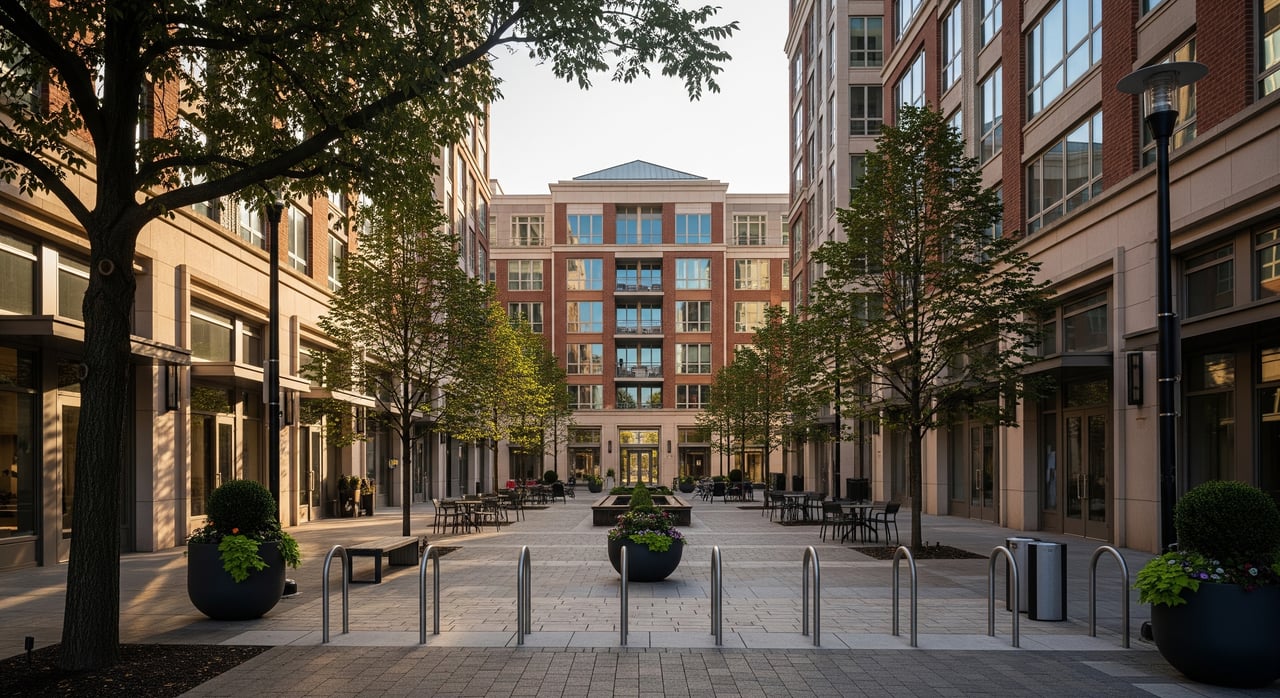
The built environment favors a car-light lifestyle. Mid and high-rise residential buildings sit next to clustered retail, medical offices, and professional services. Sidewalks, short blocks, and tree-lined streets in the core make it easy to reach daily necessities on foot.
Walkable errands and services
Many everyday errands can happen within a short walk. The retail cluster around Wisconsin Avenue and Western Avenue concentrates full-service grocery options, pharmacies, banks, salons, fitness studios, and casual dining. You can pick up prescriptions, handle banking, and meet friends for coffee without a car.
You can also layer in convenience services. Residents often use grocery delivery and pickup, restaurant delivery, and on-demand services to cut down on car trips. For healthcare, walk-in and urgent care options are within a short transit or taxi ride. The nearest full hospital is typically a brief drive or one-transfer transit trip, depending on your exact address.
Transit at your door
The neighborhood’s namesake Metrorail station is a major advantage. Frequent service connects you to downtown Washington, D.C. and transfer points to other lines. Many residents commute by rail as their primary mode.
Local and regional buses add flexibility. Multiple WMATA Metrobus routes and Montgomery County Ride On routes serve the corridor, offering cross-town and intra-county connections to Bethesda, Silver Spring, and other employment centers. Service frequency varies by route, so it helps to review schedules for your typical travel times.
Bikes and micromobility
Capital Bikeshare operates in and near Friendship Heights and Chevy Chase. A short walk to a dock can give you a fast, car-free option for errands or train connections. Dedicated bike lanes continue to expand in both Montgomery County and D.C., and proximity to regional trails bolsters cycling for recreation and commuting.
The Capital Crescent Trail is a key regional asset. Depending on where you live in the corridor, it provides a protected route into Bethesda and links toward the downtown network. Dockless scooters and e-bikes can also be available, though coverage and seasonal deployment differ between jurisdictions.
When you need a car
Most car-free residents still want occasional access to a vehicle. Ride-hail services operate widely and can be scheduled around appointments, airport runs, or late-night arrivals. Car-share services and peer-to-peer rentals are common solutions for larger errands, weekend trips, or furniture shopping.
If you keep a car part-time, verify garage options and building policies. Some buildings offer monthly parking as an add-on, while others have limited supply. Guest parking rules and nearby curbside options also matter if you host out-of-town visitors.
Condo living for downsizers
Friendship Heights offers a strong mix of one and two-bedroom condos and co-ops in elevator buildings. Many properties feature amenities that reduce daily friction for downsizers and busy professionals. These can include a concierge or doorman, package rooms, fitness centers, and on-site maintenance and snow removal.
The result is a lifestyle with fewer home maintenance tasks and less reliance on a car. On-site services and nearby retail make it easier to handle errands, deliveries, and wellness routines on your schedule.
Parking and HOA fine print
Parking varies by building. Some units include deeded or assigned spaces, while others offer parking for a fee or on a limited basis. Newer developments may emphasize lower parking ratios to encourage transit use.
Before you buy, confirm:
- Whether a parking space is included, deeded, or available for rent
- Guest parking policies and hours
- Street parking rules and permit zones, which differ between the Maryland and D.C. sides
- EV charging availability and building policies
HOA and condo rules also shape your experience. Check rental caps, pet policies, storage options, and delivery procedures for large items. These details matter if you plan to host family often or travel frequently.
Costs to weigh without a car
Condo fees often cover trash, snow removal, exterior maintenance, and some utilities. These line items can reduce errands and chores that otherwise require driving. If you retain a car, you may pay for garage parking and insurance while still using ride-hail or delivery for convenience.
If you go fully car-free, expect some trade-offs. Delivery fees, on-demand rides, and occasional rentals may replace fuel and maintenance costs. Taxes and assessments can differ between the Maryland and D.C. sides, so compare total housing costs with your advisor.
Health care access
Walk-in healthcare and urgent care options are reachable by foot or a short transit or taxi ride from the retail core. The nearest full hospital is typically a modest drive or a one-transfer transit trip, depending on your building’s location. If specialist care is important to you, map those destinations and assess door-to-door travel times during peak and off-peak hours.
Seasonal walkability
Walkability here is strong, but weather still matters. Hot summers and winter snow or ice can make walking or waiting for transit less comfortable. Sidewalk maintenance and snow clearance can differ between the Maryland and D.C. sides. It helps to see the block face outside your building after a storm to understand how quickly it is cleared.
What to verify before you buy
Use this practical checklist to align your lifestyle with the neighborhood’s strengths:
- Commute fit: Walk from the building to the Metro entrance and your nearest bus stops. Time the trip during your normal schedule.
- Errand radius: Map your grocery, pharmacy, and bank. Try a typical weekly errand loop on foot.
- Delivery-friendly: Confirm building package handling, refrigerated storage if offered, and policies for large deliveries.
- Parking options: Verify deeded space status, guest parking rules, and curbside permit requirements for visitors.
- Bike access: Check for a bike room, nearby Capital Bikeshare docks, and routes to the Capital Crescent Trail.
- Healthcare proximity: Locate the nearest urgent care and confirm transit or taxi times to the closest full hospital.
- HOA specifics: Review fees, included services, EV policies, rental caps, and any pet or renovation rules.
A sample car-free day
- Morning: Walk to coffee and the gym, then to Metro for a direct ride to the office.
- Midday: Mobile order lunch and pick it up on the way back from a meeting.
- Afternoon: Pharmacy refill and a quick bank stop within the retail core.
- Evening: Grocery delivery arrives at the concierge desk while you are out for dinner.
- Weekend: Bikeshare to the trail for a ride, then rideshare for a larger home goods pickup.
Looking ahead: Purple Line factors
The Purple Line light rail project is expected to reshape east-west travel patterns across Montgomery County. When completed, it will connect key nodes between Bethesda, Silver Spring, and College Park. If your routine includes those destinations, keep an eye on project updates and how they may simplify cross-county trips in the future.
The bottom line
Friendship Heights is one of the most practical car-free choices along the Chevy Chase corridor. A major Metro station, robust bus coverage, and a dense cluster of retail and services create a lifestyle where you can walk more and drive less. With the right building and policies, condo living here can streamline errands, reduce maintenance, and put the city at your doorstep.
If you want a tailored assessment of buildings that fit a car-light routine, or guidance on Maryland versus D.C. considerations, connect with a trusted local advisor. Reach out to Haleh Troy for a discreet conversation about your goals and a curated shortlist of options.
FAQs
Is Friendship Heights realistic for car-free living?
- Yes. Many residents manage daily life on foot and by transit thanks to clustered retail, a Metrorail station, and multiple bus routes.
How would I commute to downtown Washington, D.C. without a car?
- The neighborhood Metrorail station provides frequent service to downtown with transfers to other lines. Bus connections can fill in cross-town gaps.
What are the pros and cons for downsizers without a car?
- Pros include reduced maintenance, concierge services, and easy errands. Cons can include delivery fees, weather impacts, and occasional need for ride-hail or rentals.
How do parking and guest visits work if I rarely drive?
- Policies vary by building. Confirm if a deeded space is included, guest parking rules, and any neighborhood permit requirements for visitors.
Can I bike comfortably in this area?
- Yes, many residents use Capital Bikeshare and local routes. Proximity to the Capital Crescent Trail offers a protected option for recreation and some commutes.
What should I review in HOA documents before buying?
- Focus on parking provisions, storage, delivery procedures, EV policies, rental caps, fees, and what services are included that support car-free living.